Ad-free experience
 Study Guides for 1,000+ titles
 Full Text content for 250+ titles
 No Fear Translations of Shakespeare’s plays (along with audio!) and other classic works
 Flashcards
 Mastery Quizzes
 Infographics
 Graphic Novels
 AP® Practice & Lessons
 Note-taking
 Bookmarking
 Dashboard












What happens in Act 1, Scene 5 of Romeo and Juliet?
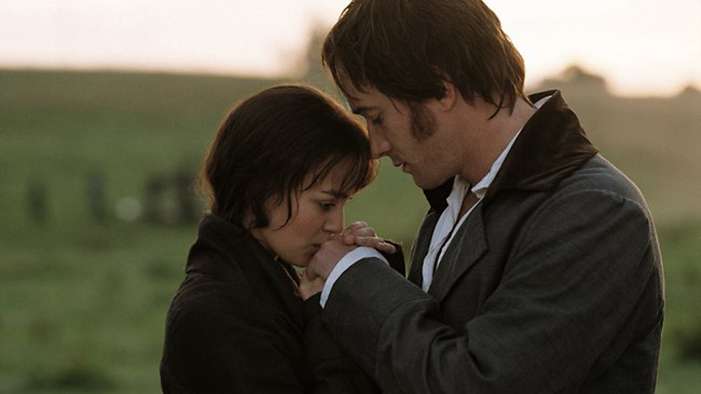
At the Capulet ball, Romeo and Juliet instantly fall in love and kiss. Tybalt wants to harm Romeo for coming to a Capulet feast, but Capulet stops him.
Read our Summary & Analysis of Act 1, Scene 5. (4-minute read)
Are there any important quotes in Act 1, Scene 5?
There are several important quotes in Scene 5, which is most noteworthy because it is the scene in which Romeo and Juliet first set eyes on each other and instantly fall in love. The SparkNotes feature “Quotes by Scene” (see link below), which identifies and briefly explains the most important quotes in each scene, discusses these quotes for Scene 5:
The first quote (“O she doth teach the torches to burn bright...”) illustrates how Romeo's way of expressing his love for Juliet is more sophisticated and genuine than the cliched language he typically used in describing his love for Rosaline.
- In the second quote (“Patience perforce with willful choler meeting...”) Tybalt show how he is a ticking timebomb for violence in the play.
- Probably the most important quote in Scene 5 is the third one discussed in the Quotes by Scene feature. It is the first spoken exchange between Romeo and Juliet, and it begins with Romeo saying, “If I profane with my unworthiest hand...”
- Differing interpretations of Juliet’s remark, “You kiss by th’ book” are given in fourth quote.
- The fifth quote (“My only love sprung from my only hate…”) is from Juliet’s lament when she learns later in the evening that her new love is a Montague.
Read explanations of these five important quotes from Act 1, Scene 5. (5-minute read)
Why are there so many sonnets in Romeo and Juliet?
Sonnets are 14-line rhyming poems, usually about love, that were extremely popular in Shakespeare’s day. Because of this, he and other writers used them heavily—often directly borrowing from popular Italian poets, particularly the Italian Renaissance poet known as Petrarch. In fact, the famous exchange between Romeo and Juliet when they first meet in Act 1, Scene 5 that compares love to a religious pilgrimage (“If I profane with my unworthiest hand...”) is clearly inspired by popular poems by Petrarch.
Read a short essay about Shakespeare’s use of sonnets. (4-minute read)
Is Romeo and Juliet’s love for real?
In modern culture, Romeo and Juliet’s love for each other is the common standard to which relationships are compared. At least when it starts (in Act 1, Scene 5), however, it would not be cynical to wonder if their love is genuine. One concern is that they fall in love so quickly (even though it is in keeping with Shakespeare’s accelerated timeline for the play). Another source of skepticism might be Romeo’s dubious track record with love, since he is supposedly deeply in love with Rosaline up to the second that he first sees Juliet. Finally, we may question both Juliet’s maturity (she’s only 13) and her motivation. Is it possible that she’s asserting herself with Romeo in an effort to get out from her parents’ control?
The argument for their love being genuine is mostly based on how they behave, but it is nonetheless powerful. The attraction between the lovers is immediate and overwhelming, and neither comments on nor pretends to understand its cause. Each mentions the other’s beauty, but it seems that destiny rather than any specific character trait has drawn them together. As the play continues, their love for one another becomes so undeniable that neither they nor the audience will feel the need to question or explain it.
Read more about Time as a Motif (#3) in the play. (1-minute read)
Read a brief essay about whether Romeo and Juliet are truly in love. (4-minute read)